

End-of-Life Doula Support in Bozeman, Montana
Compassionate, non-medical support for individuals and families navigating the end of life.
What Is an End-of-Life Doula?
An end-of-life doula, sometimes called a death doula or death midwife, provides non-medical support and companionship to people who are approaching the end of life and to the people who love them.
While hospice and medical professionals focus on medical care and symptom management, an end-of-life doula can provide additional emotional, practical, educational, and personal support.
This might mean sitting quietly with someone, helping a family have difficult conversations, talking through wishes and plans, creating meaningful memories, or simply being present during a difficult and unfamiliar time.
An end-of-life doula does not replace hospice, medical providers, or mental health care. Instead, doula support can complement the care you're already receiving.
How I Can Support You
There is no single way to experience the end of life, and there is no single way to provide support.
My role can change depending on what you and your family need.
Emotional Support
The end of life can bring fear, sadness, uncertainty, relief, anger, love, and many other emotions—sometimes all at once.
I provide a calm, compassionate presence where you and your loved ones can talk openly, process emotions, or simply have someone there with you.
Preparing for the End of Life
Planning ahead can make difficult moments feel a little less overwhelming.
I can help you think through questions and conversations surrounding:
Personal wishes and priorities
Advance care planning
What matters most to you
How you want to be remembered
Family conversations
Legacy and memory-making
Preparing loved ones for what to expect
The goal isn't to plan every detail of the future. It's to help you identify what matters to you and make your wishes known.
Family & Caregiver Support
When someone is dying, the experience affects the entire family.
Loved ones may have different emotions, questions, needs, and ways of coping. I can provide support for family members and caregivers as they navigate this experience together.
Sometimes support simply means having someone outside the family who can listen, help facilitate difficult conversations, or provide reassurance during an unfamiliar time.
Legacy & Meaning-Making
The end of life can also be a time of reflection, connection, and meaning.
If desired, we can explore ways to preserve memories and create meaningful experiences, such as:
Recording stories and memories
Writing letters to loved ones
Creating keepsakes
Organizing photographs
Sharing family history
Meaningful conversations
Personal rituals or ceremonies
Creating opportunities for connection
These moments can become meaningful gifts for both the person who is dying and the people they leave behind.
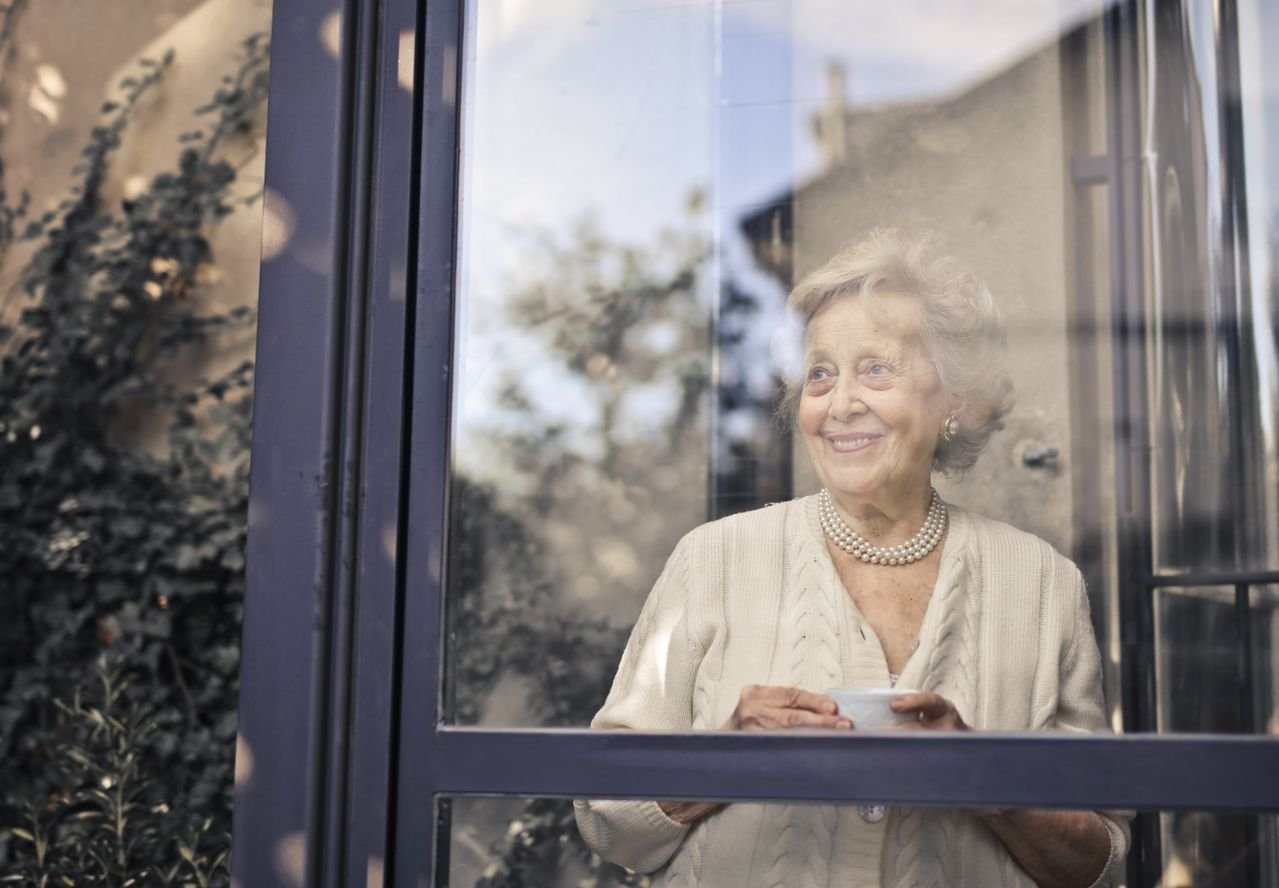
End-of-Life Doula vs. Hospice
Different roles, complementary support.
An end-of-life doula and hospice serve different purposes.
Hospice provides medical and clinical care for people who are approaching the end of life. Hospice teams may include physicians, nurses, social workers, chaplains, aides, and other professionals.
An end-of-life doula provides non-medical support focused on the emotional, practical, educational, and personal aspects of the end-of-life experience.
Doula care does not replace hospice or medical care. In many situations, these types of support can work alongside one another to care for the whole person and their family.
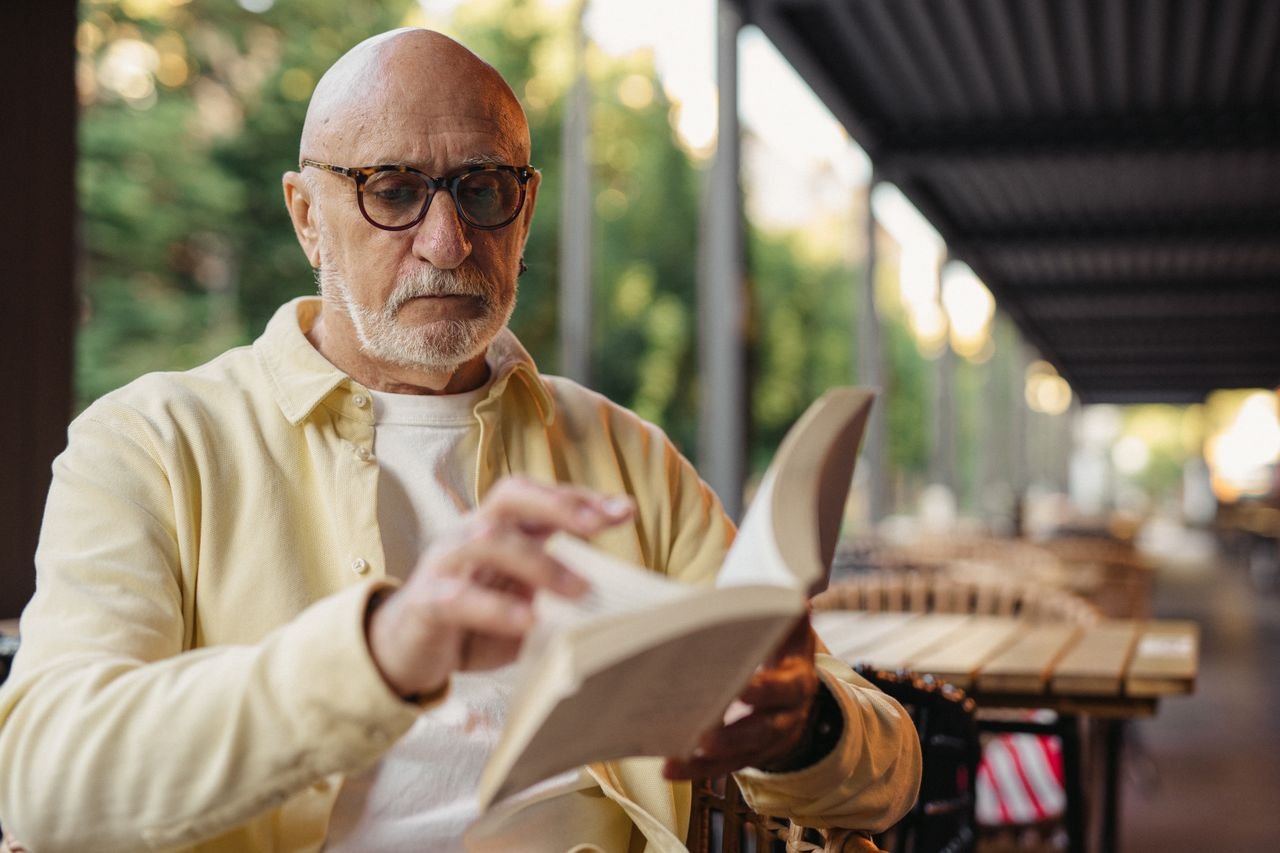
When Should You Consider an End-of-Life Doula?
There is no single "right" time to reach out.
Some people contact a doula after receiving a terminal diagnosis. Others begin planning much earlier because they want to make their wishes known and have meaningful conversations with their families.
You might consider end-of-life doula support if:
You or someone you love has received a terminal diagnosis
You want to begin planning ahead
You're caring for someone who is nearing the end of life
Your family is struggling with difficult conversations
You want help creating a meaningful end-of-life experience
You want to explore legacy or memory-making
You're unsure what to expect as death approaches
You simply want compassionate support and companionship
You don't have to wait until the final days or weeks of someone's life.
FAQs
An end-of-life doula provides non-medical emotional, practical, educational, and personal support to individuals and families before, during, and after the dying process.
What does an end-of-life doula do?
1
Is an end-of-life doula the same as hospice?
2
No. Hospice provides medical and clinical end-of-life care, while an end-of-life doula provides additional non-medical support. The two can complement one another.
Is doula care medical care?
No. End-of-life doula care is non-medical and does not replace physicians, nurses, hospice, or other healthcare professionals.
3
When should I contact an end-of-life doula?
4
You can reach out at any stage. Some people seek support after a terminal diagnosis, while others want to plan ahead before a serious illness or end-of-life situation occurs.
Can an end-of-life doula help my family?
5
Yes. End-of-life doula support can include emotional support, education, communication, planning, and companionship for family members and caregivers as well as the person who is dying.
Can you help with end-of-life planning?
6
End-of-life doula support can include helping you think through your wishes, priorities, conversations, and meaningful ways to prepare. Medical, legal, and financial decisions should be addressed with the appropriate professionals.
End-of-Life Doula Services in Bozeman & Montana
Sunset Journey Therapeutic Services provides compassionate end-of-life doula support in Bozeman and the surrounding Montana community.
If you are considering end-of-life doula care for yourself or someone you love, you don't need to know exactly what you need before reaching out.
We can simply start with a conversation.